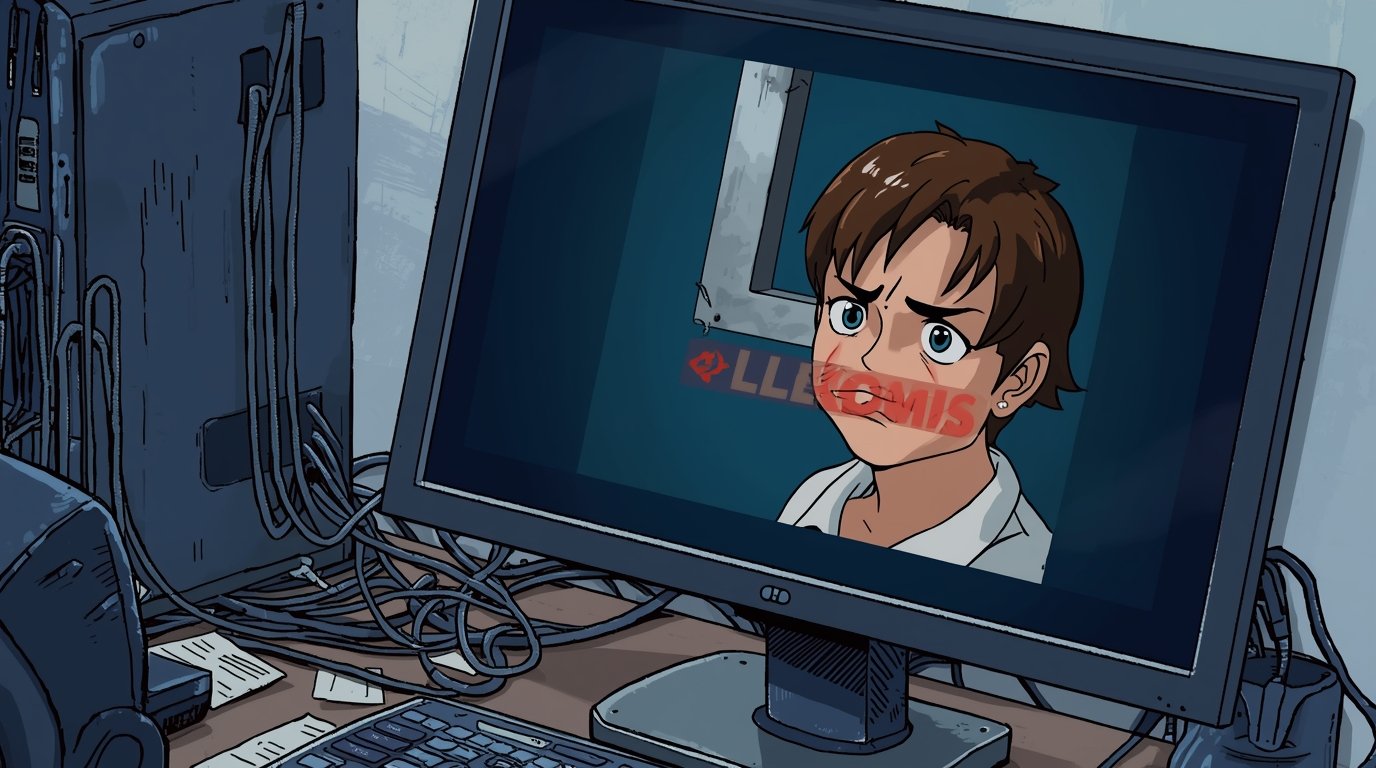
problem on llekomiss software
Software systems play a central role in modern organizations, supporting operations, decision-making, communication, and long-term growth. As digital infrastructure becomes more complex, the expectations placed on software reliability, scalability, and security continue to rise. Businesses and institutions rely on applications not only to function correctly but also to adapt seamlessly to changing requirements. When issues arise, they can disrupt workflows, erode trust, and create costly delays.
Among the many challenges encountered in enterprise and specialized software environments, the problem on llekomiss software has emerged as a notable case that highlights broader issues in software design, maintenance, and user interaction. Understanding such challenges requires examining both technical and organizational dimensions, as software problems rarely exist in isolation.
This article explores the nature of software-related difficulties, their root causes, and the strategies used to identify, manage, and prevent them. By examining these elements in depth, readers can gain valuable insights into improving software reliability and resilience in diverse operational contexts.
Understanding the Nature of Software Problems
Software problems can manifest in many forms, ranging from minor usability inconveniences to critical system failures. Some issues are immediately visible, such as crashes or error messages, while others remain hidden until they cause significant disruptions. These hidden issues often involve performance degradation, data inconsistencies, or security vulnerabilities.
The complexity of modern software systems increases the likelihood of such problems. Applications are often composed of multiple interconnected modules, each dependent on external libraries, databases, or network services. A fault in one component can propagate throughout the system, making diagnosis and resolution challenging.
In this context, the problem on llekomiss software serves as an example of how localized issues can reflect systemic weaknesses. Addressing such problems requires a comprehensive understanding of software architecture and operational environments.
Common Causes of Software Issues
Software issues rarely stem from a single cause. Instead, they result from a combination of technical, human, and organizational factors. One common cause is inadequate requirements analysis. When software is developed without a clear understanding of user needs or operational constraints, mismatches between expectations and functionality are likely to occur.
Another significant factor is insufficient testing. While testing is a standard part of development, time constraints or limited resources can lead to incomplete test coverage. As a result, edge cases and rare scenarios may go unnoticed until the software is deployed in real-world conditions.
The problem on llekomiss software illustrates how overlooked assumptions during development can surface later as operational challenges, emphasizing the importance of thorough planning and validation.
The Role of Software Architecture
Software architecture provides the structural foundation upon which applications are built. A well-designed architecture promotes modularity, scalability, and maintainability. Conversely, poor architectural choices can make systems fragile and difficult to modify or debug aeonscope video gaming.
Architectural complexity can obscure the source of issues, especially in systems with tightly coupled components. When changes are made to one part of the system, unintended consequences may arise elsewhere. This increases the risk of introducing new bugs while attempting to fix existing ones.
In analyzing the problem on llekomiss software, architectural rigidity is often considered a contributing factor, highlighting the need for flexible and well-documented system designs.
User Interaction and Usability Challenges
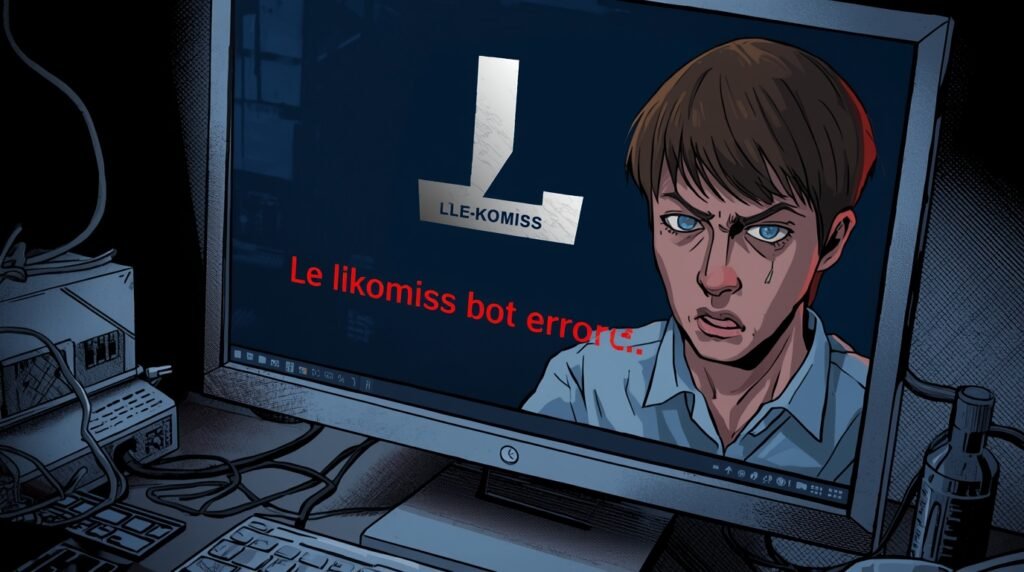
User experience plays a critical role in the perceived quality of software. Even technically sound applications can be deemed problematic if they are difficult to use or understand. Usability issues often arise when design decisions prioritize functionality over clarity.
Poor interface design can lead to user errors, misinterpretation of data, or inefficient workflows. These issues may not be classified as technical failures, but they can significantly impact productivity and satisfaction.
The problem on llekomiss software underscores the importance of incorporating user feedback throughout the development lifecycle, ensuring that software aligns with real-world usage patterns.
Performance and Scalability Concerns
As software usage grows, performance and scalability become increasingly important. Systems that perform well under limited loads may struggle when demand increases. Performance bottlenecks can result from inefficient algorithms, inadequate resource allocation, or unoptimized database queries.
Scalability issues often emerge gradually, making them difficult to detect during initial testing. Over time, these issues can lead to slow response times, system instability, or service interruptions.
In discussions surrounding the problem on llekomiss software, performance limitations are frequently cited as a key concern, demonstrating the need for proactive monitoring and capacity planning.
Maintenance and Update Management
Software maintenance is an ongoing process that extends beyond initial deployment. Regular updates are necessary to address bugs, improve functionality, and respond to evolving requirements. However, poorly managed updates can introduce new problems or disrupt existing workflows.
Compatibility issues may arise when updates are not aligned with dependent systems or user environments. Additionally, insufficient documentation can make it difficult for users and administrators to adapt to changes.
The problem on llekomiss software highlights how maintenance challenges can compound over time, reinforcing the importance of structured update strategies and clear communication.
Security and Data Integrity Issues
Security is a fundamental aspect of software reliability. Vulnerabilities can expose systems to unauthorized access, data breaches, or malicious manipulation. Ensuring security requires continuous vigilance, as new threats emerge regularly.
Data integrity is closely related to security. Errors in data handling can result in corrupted or inconsistent information, undermining trust in the system. Such issues may not be immediately apparent but can have long-term consequences.
In examining the problem on llekomiss software, concerns about data handling and protection illustrate the interconnected nature of security and operational stability.
Diagnostic and Troubleshooting Approaches
Effective troubleshooting begins with accurate diagnosis. This involves identifying symptoms, isolating variables, and analyzing system behavior. Logs, monitoring tools, and diagnostic tests play a crucial role in this process.
Collaboration between developers, administrators, and users is often necessary to gain a complete understanding of the issue. Clear reporting and documentation can significantly reduce the time required to identify root causes.
The problem on llekomiss software demonstrates how structured diagnostic methods can transform complex issues into manageable tasks, improving resolution outcomes.
The Importance of Documentation
Documentation serves as a bridge between software creators and users. Comprehensive documentation provides guidance on installation, configuration, usage, and troubleshooting. Without it, even minor issues can become major obstacles.
Outdated or incomplete documentation can exacerbate problems, as users may rely on incorrect information. Maintaining accurate documentation requires ongoing effort and coordination.
In relation to the problem on llekomiss software, documentation gaps are often cited as a factor that complicates issue resolution, emphasizing the need for clarity and consistency.
Training and Knowledge Transfer
Training is essential for ensuring that users and administrators can effectively operate and maintain software systems. Even well-designed applications require a certain level of familiarity to be used efficiently.
Knowledge transfer becomes particularly important in organizations with staff turnover or distributed teams. Without proper training, institutional knowledge may be lost, increasing reliance on trial and error.
The problem on llekomiss software highlights how insufficient training can amplify the impact of technical issues, making education a critical component of software success.
Organizational Factors and Decision-Making
Software issues are not solely technical in nature; organizational dynamics also play a significant role. Decision-making processes, resource allocation, and communication channels all influence how software is developed and maintained.
Pressure to meet deadlines or reduce costs can lead to compromises in quality. Similarly, unclear responsibilities can delay responses to emerging problems.
Understanding the problem on llekomiss software requires considering these organizational factors, as they often shape the context in which technical issues arise.
Continuous Improvement and Feedback Loops
Continuous improvement is a key principle in modern software development. By regularly collecting feedback and analyzing performance metrics, organizations can identify areas for enhancement and prevent recurring issues.
Feedback loops enable developers to learn from real-world usage and adjust their approaches accordingly. This iterative process supports adaptability and resilience.
The problem on llekomiss software illustrates how the absence of effective feedback mechanisms can allow issues to persist, reinforcing the value of ongoing evaluation.
Testing Strategies and Quality Assurance
Quality assurance encompasses a range of activities designed to ensure that software meets defined standards. Automated testing, manual testing, and user acceptance testing each serve distinct purposes.
Comprehensive testing strategies help uncover issues early, reducing the cost and impact of fixes. However, testing must be aligned with real-world scenarios to be effective.
In addressing the problem on llekomiss software, enhanced testing practices are often recommended as a means of preventing similar issues in the future.
Change Management and Adaptability
Change is inevitable in software systems, whether driven by technological advancements, regulatory requirements, or evolving user needs. Managing change effectively requires careful planning and communication.
Resistance to change can hinder adoption and exacerbate problems. Providing clear rationales and support helps users adapt more smoothly.
The problem on llekomiss software demonstrates how poorly managed change can create confusion and instability, highlighting the importance of structured change management processes.
Long-Term Sustainability of Software Systems
Sustainable software systems are designed with longevity in mind. This includes considerations for maintainability, scalability, and adaptability. Short-term solutions that ignore these factors may lead to long-term challenges.
Sustainability also involves aligning software development with organizational goals and user expectations. Regular reviews and updates help ensure continued relevance.
Lessons drawn from the problem on llekomiss software emphasize the need for forward-thinking strategies that balance immediate needs with future growth.
Collaboration Between Stakeholders
Successful software outcomes depend on collaboration among diverse stakeholders, including developers, users, managers, and support teams. Each group brings unique perspectives and expertise.
Open communication fosters mutual understanding and enables more effective problem-solving. When stakeholders work in isolation, issues may be misunderstood or overlooked.
The problem on llekomiss software highlights how collaborative approaches can accelerate resolution and improve overall system performance.
Measuring Impact and Success
Evaluating the impact of software issues involves assessing both quantitative and qualitative factors. Metrics such as downtime, error rates, and user satisfaction provide valuable insights.
However, numbers alone do not capture the full picture. Understanding how issues affect workflows, morale, and strategic objectives is equally important.
In analyzing the problem on llekomiss software, a holistic assessment of impact supports more informed decision-making and prioritization.
Lessons Learned and Best Practices
Every software issue presents an opportunity for learning. By systematically reviewing what went wrong and why, organizations can refine their practices and avoid repeating mistakes.
Best practices often emerge from accumulated experience, combining technical expertise with organizational insight. Documenting these lessons ensures that knowledge is retained and shared.
The problem on llekomiss software serves as a case that reinforces the value of reflective analysis and continuous learning.
Future Outlook for Software Reliability
As software systems continue to evolve, the challenges associated with reliability and usability will also change. Emerging technologies introduce new possibilities as well as new risks.
Preparing for the future requires adaptability, investment in skills, and a commitment to quality. Organizations that prioritize these elements are better positioned to navigate complexity.
Insights gained from the problem on llekomiss software contribute to a broader understanding of how software reliability can be strengthened over time.
Conclusion
Software problems are an inevitable aspect of complex digital systems, but their impact can be managed through thoughtful design, proactive maintenance, and collaborative problem-solving. By examining technical, human, and organizational dimensions, stakeholders can develop more resilient and user-centered solutions.
The problem on llekomiss software illustrates how interconnected factors shape software outcomes and why addressing issues requires more than isolated fixes. Through continuous improvement, clear communication, and strategic planning, organizations can transform challenges into opportunities for growth and innovation.
By applying these principles, software systems can better support their users and objectives, delivering reliable performance in an increasingly dynamic digital world.
About the Author