
gamificationsummit professionals eager
In today’s digital landscape, innovation moves at a breathtaking pace, influencing how industries operate and how professionals collaborate. Gamificationsummit professionals eager to adapt to this new reality are redefining what it means to engage, learn, and lead in a competitive market. As businesses increasingly turn to game mechanics for motivation, reward, and performance, the concept of gamification has evolved from a niche idea into a mainstream business strategy.
Gamification combines psychology, design, and technology to encourage participation and enhance experience. What began as a fun way to motivate employees has now become a transformative approach that shapes corporate training, education, marketing, and even healthcare. Professionals across sectors are realizing that gamification doesn’t just make work more enjoyable — it makes results measurable and engagement sustainable.
Understanding the Essence of Gamification
At its core, gamification is about leveraging game elements — points, leaderboards, achievements, and levels — in non-game contexts. Gamificationsummit professionals eager to deepen their understanding of behavioral motivation see these mechanics as powerful tools that drive human desire for progress and recognition. This psychological foundation is what makes gamification such an effective motivator in both personal and professional settings.
From small startups to global enterprises, gamification strategies are being woven into the fabric of business operations. Sales teams compete on leaderboards, learners collect badges as they complete courses, and customers engage with loyalty apps designed around playful incentives. Each of these systems taps into the human instinct to compete, improve, and achieve. Eurogamersonline
The Birth and Purpose of Gamification Summits
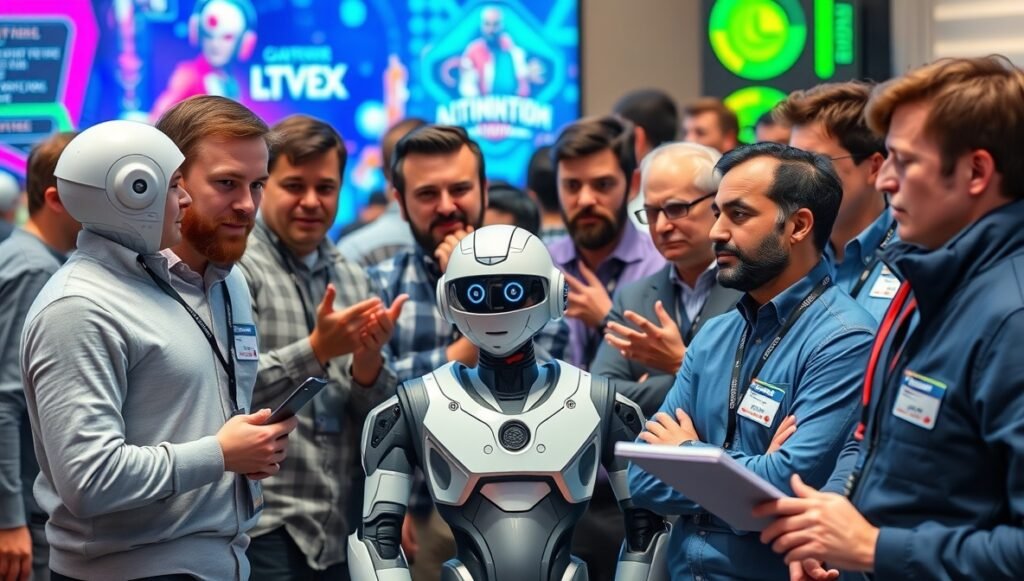
Over the past decade, gamification has gained so much traction that dedicated summits and conferences have emerged around the world. Gamificationsummit professionals eager to exchange insights, share success stories, and explore the latest research attend these events to stay ahead of the curve. These gatherings are not merely about games — they are about innovation, engagement, and measurable change.
Gamification summits serve as platforms where experts from education, technology, psychology, and corporate leadership come together. They discuss emerging trends, present case studies, and identify how gamification can address modern challenges. From improving remote work culture to enhancing customer loyalty programs, the conversations at these summits often set the tone for industry practices in the coming years.
The Psychology Behind Engagement
The effectiveness of gamification lies in its understanding of human behavior. Gamificationsummit professionals eager to craft impactful experiences often turn to motivational theories like self-determination theory and behavioral economics. These disciplines explain how intrinsic and extrinsic motivators shape human actions.
Gamification taps into intrinsic motivation — the inner drive to learn, grow, and accomplish goals. When applied effectively, it can transform mundane activities into engaging experiences. A well-designed system not only rewards success but also celebrates effort, fostering a sense of accomplishment even in failure. This nuanced understanding of human psychology is what gives gamification its staying power in the modern workplace.
Corporate Transformation Through Gamification
In the corporate world, engagement has become a crucial differentiator between high-performing and underperforming teams. Gamificationsummit professionals eager to revolutionize internal culture are leveraging gamified programs to boost morale and productivity. Through friendly competition and visible progress tracking, employees are encouraged to achieve milestones that contribute directly to company goals.
Large organizations are increasingly integrating gamified solutions into training modules, performance reviews, and customer service workflows. By turning everyday tasks into opportunities for recognition and advancement, companies witness higher retention rates and improved employee satisfaction. Gamification transforms the traditional work environment into an interactive ecosystem of achievement. Betterthisworld
Education and Learning Reimagined
The education sector has perhaps benefited most profoundly from gamification. Gamificationsummit professionals eager to innovate in learning environments have developed systems that make studying more engaging, personalized, and effective. Interactive quizzes, digital badges, and adaptive learning platforms now dominate modern classrooms and e-learning platforms.
These techniques help learners visualize progress, receive immediate feedback, and remain motivated. The psychological reward of “leveling up” keeps students invested, transforming passive learning into active exploration. Teachers, too, benefit from the real-time analytics that gamified systems provide, enabling them to adjust lessons based on individual performance and engagement levels. Mygreenbucks
The Role of Gamification in Marketing and Customer Experience
Gamification’s influence extends far beyond internal processes and classrooms. In the realm of marketing, gamificationsummit professionals eager to capture consumer attention use game mechanics to enhance brand loyalty and engagement. Reward systems, loyalty apps, and interactive campaigns have become standard tools in digital marketing strategies.
Companies now engage customers through challenges, streaks, and interactive goals that encourage repeated interaction. By transforming customer experiences into enjoyable journeys, brands establish emotional connections that drive long-term loyalty. This playful yet strategic engagement transforms passive consumers into active participants, leading to improved sales and stronger relationships. gamificationsummit popular online
The Technology Driving Gamification’s Expansion
The advancement of technology has been a major catalyst in gamification’s success. Gamificationsummit professionals eager to harness these tools rely on data analytics, artificial intelligence, and immersive technologies such as augmented reality (AR) and virtual reality (VR). These innovations allow for personalized experiences and more dynamic feedback loops.
For instance, AI-driven gamification systems can adapt to individual performance, creating tailored challenges that align with each user’s skill level. This customization not only enhances engagement but also improves learning outcomes and productivity. As technology evolves, so does the potential of gamification to transform industries at an unprecedented scale.
Global Impact and the Role of Collaboration
Gamification’s reach is truly global. From Asia to Europe and the United States, organizations are adopting gamified solutions to enhance engagement and performance. Gamificationsummit professionals eager to create universal frameworks emphasize cross-industry collaboration, recognizing that shared knowledge accelerates innovation.
Global summits and virtual conferences have enabled professionals to collaborate beyond borders, blending diverse cultural insights with technical expertise. This exchange of ideas ensures that gamification evolves inclusively, addressing the unique needs of different markets and populations. As gamification continues to expand, collaboration remains its greatest strength.
Startups and Innovation in the Gamification Ecosystem
Startups have played a crucial role in shaping the gamification landscape. Gamificationsummit professionals eager to disrupt traditional business models often turn to emerging companies for fresh ideas and agile development. Startups bring creativity and experimentation, pushing established organizations to innovate faster.
These young companies often focus on niche areas — such as employee engagement, sustainability awareness, or community development — creating tailored gamified platforms that deliver measurable results. Their flexibility allows them to test bold concepts, providing valuable insights that larger corporations can later scale. This dynamic exchange between startups and industry giants fuels continuous innovation within the gamification ecosystem.
Overcoming Challenges in Implementation
Despite its many advantages, gamification faces challenges that must be addressed for sustainable success. Gamificationsummit professionals eager to implement these systems must navigate potential pitfalls such as over-reliance on extrinsic rewards, lack of clear objectives, or poor system design. Disquantified
A gamified system without purpose can quickly lose its appeal, reducing motivation rather than enhancing it. Furthermore, privacy concerns around data tracking and analytics can deter users if not managed transparently. To overcome these challenges, organizations must prioritize thoughtful design, ethical practices, and user-centered strategies. The goal is not just to make work fun, but to make it meaningful.
Measuring Success and ROI of Gamification
Quantifying the success of gamification is essential for proving its value. Gamificationsummit professionals eager to demonstrate return on investment (ROI) use data-driven metrics to track engagement, productivity, and satisfaction levels. These metrics provide tangible evidence of gamification’s impact, allowing organizations to refine and optimize their strategies.
For example, companies often report improved completion rates in training programs and increased participation in team activities after implementing gamified systems. The combination of motivation and analytics provides a holistic view of employee engagement, proving that gamification is more than just a trend — it’s a measurable performance enhancer.
Gamification and the Future of Work
As hybrid and remote work models become the norm, gamification is emerging as a key tool for maintaining collaboration and morale. Gamificationsummit professionals eager to support distributed teams recognize the power of gamified systems in keeping employees connected and motivated.
In virtual workspaces, leaderboards, progress bars, and achievement badges create a sense of shared purpose. Employees can celebrate successes and track collective goals even when working miles apart. This digital engagement fosters a strong sense of community and accountability, addressing one of the biggest challenges of remote work — isolation.
Gamification in Health and Well-Being
The health and wellness sector is also embracing gamification. Gamificationsummit professionals eager to improve public health outcomes use game mechanics to encourage healthy habits, from fitness tracking to medication adherence. Apps that reward users for meeting exercise goals or maintaining diet plans have proven effective in motivating long-term lifestyle changes.
By transforming personal health management into a rewarding experience, gamification empowers individuals to take charge of their well-being. Hospitals and clinics are also adopting gamified programs to improve patient education and treatment adherence, demonstrating that play can be both purposeful and healing.
Sustainability Through Gamified Action
In the age of climate consciousness, gamification is being used to inspire eco-friendly behavior. Gamificationsummit professionals eager to promote sustainability design challenges and reward systems that encourage responsible actions like recycling, energy saving, and waste reduction.
Through interactive platforms and community competitions, individuals and organizations alike are learning how small actions can lead to meaningful environmental impact. These initiatives demonstrate how gamification can be a force for social good, transforming collective goals into achievable missions.
The Cultural Shift Toward Playful Productivity
Society’s perception of “play” in professional environments has evolved significantly. Gamificationsummit professionals eager to redefine productivity understand that playfulness doesn’t undermine seriousness — it enhances creativity and resilience. Organizations that adopt gamification cultivate cultures that value experimentation, adaptability, and continuous learning.
This shift toward playful productivity has created environments where employees feel more empowered and less pressured. By integrating fun into daily work routines, companies nurture innovation and well-being simultaneously. The workplace of the future may very well look more like a collaborative game than a traditional office.
Leadership and Gamified Management
Modern leaders are beginning to recognize that the principles of gamification align closely with effective leadership. Gamificationsummit professionals eager to cultivate dynamic teams use game-based strategies to foster trust, communication, and motivation. Gamified management systems make feedback loops more immediate and transparent, empowering both leaders and employees to act on insights in real time.
This approach encourages continuous improvement rather than annual evaluations, promoting a culture of growth and agility. Leadership in the age of gamification focuses on guiding rather than commanding, celebrating rather than criticizing, and evolving rather than maintaining the status quo.
The Future of Gamification Summits and Professional Collaboration
As gamification matures, summits dedicated to its advancement will continue to play an essential role. Gamificationsummit professionals eager to explore new frontiers in artificial intelligence, virtual experiences, and human-computer interaction will shape the next decade of gamified innovation.
These summits will likely expand beyond corporate audiences, involving educators, policymakers, and social innovators. The cross-pollination of ideas from diverse sectors will further elevate the quality and impact of gamification strategies worldwide. With each gathering, the global gamification community becomes more connected, creative, and committed to positive transformation.

Conclusion: The Playful Path to Progress
The story of gamification is one of creativity, psychology, and purposeful engagement. Gamificationsummit professionals eager to push boundaries have shown that the power of play can lead to real-world progress. From corporate training rooms to classrooms, marketing campaigns to wellness apps, gamification has redefined how people connect with goals, technology, and one another.
As innovation accelerates, the future belongs to those who understand that motivation and engagement are not just outcomes — they are strategies. The world is becoming more interactive, more connected, and more playful, and in that transformation lies the blueprint for success. Gamification has proven that fun and function can coexist, leading not just to better performance but to a more inspired, fulfilled, and collaborative global community.
About the Author