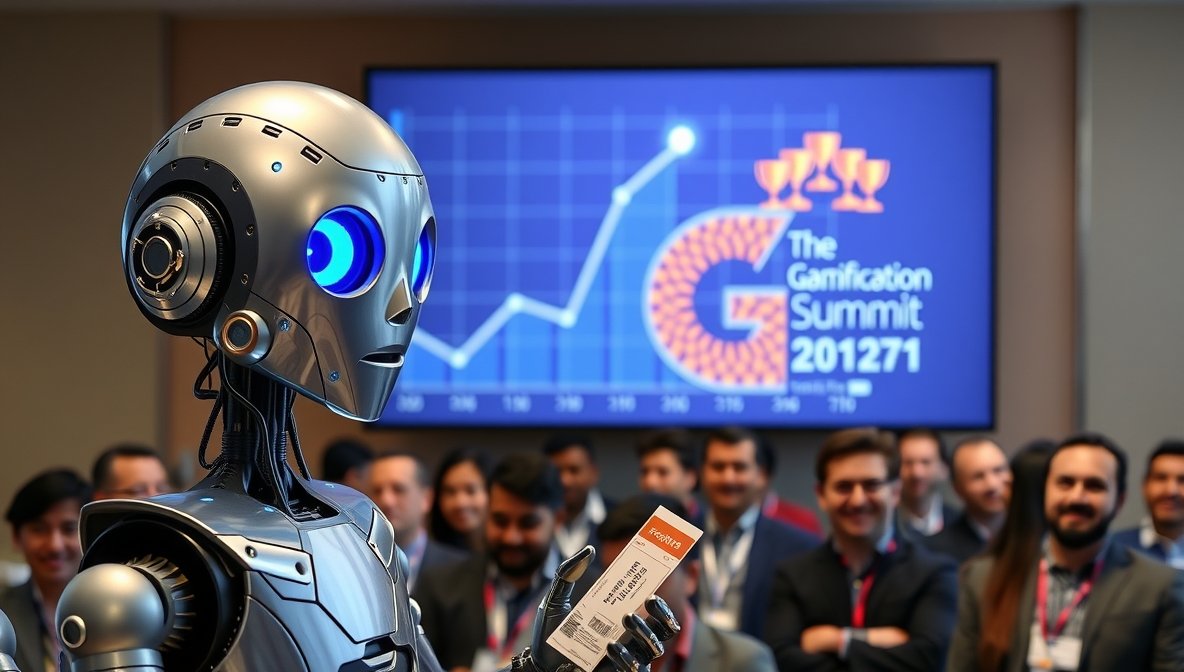
gamificationsummit ticket sale effectiveness
gamificationsummit ticket sale effectiveness has become a defining benchmark for how interactive strategies can transform traditional marketing and event management. In today’s fast-paced digital world, the success of a summit or conference no longer depends solely on the lineup of speakers or the venue’s reputation. Instead, it relies heavily on the creative mechanisms used to engage, motivate, and retain potential attendees before they even purchase a ticket.
Understanding the Rise of Gamification in Events
The concept of gamification has revolutionized how brands interact with their audiences. By introducing game-like elements—such as rewards, leaderboards, badges, and challenges—organizations have discovered new ways to captivate user attention. When applied effectively, these elements drive participants toward desired actions, such as early ticket purchases or sharing event details with friends.
In the case of gamificationsummit ticket sale effectiveness, gamification tools are used not merely as gimmicks but as integral parts of a broader sales strategy. This approach allows event organizers to generate excitement, enhance social interaction, and build loyalty even before the event begins. It turns the ticket-buying experience into a journey filled with engagement and anticipation.
The Psychology Behind Gamification
At its core, gamification taps into human psychology. People love challenges, recognition, and progress tracking. When event marketers introduce points, badges, and achievement systems into the ticketing process, they activate intrinsic motivation—making buyers feel rewarded beyond just attending an event.
This psychological connection lies at the heart of gamificationsummit ticket sale effectiveness. By transforming routine purchasing decisions into dynamic experiences, event marketers capture emotional engagement, leading to stronger brand connections. Participants no longer feel they are just buying a ticket; they feel like part of a mission or an exclusive community.
How Gamification Enhances Event Marketing Strategies
Event marketing has evolved beyond emails and banner ads. Interactive campaigns are now essential for cutting through the noise. Gamification supports this evolution by promoting engagement loops—continuous cycles of motivation and reward.
For instance, potential attendees might earn points for completing certain tasks, such as watching promotional videos, answering trivia questions, or sharing event content. These points can then be redeemed for discounts or VIP access. This system exemplifies gamificationsummit ticket sale effectiveness because it merges marketing with motivation. Every action performed by a user brings them closer to attending the event, creating a win-win scenario for both organizers and participants.
Turning Ticket Sales into Engagement Opportunities
Traditionally, ticket sales have been a one-dimensional process: users visit a website, pay, and receive a confirmation. Gamification reshapes that model entirely. By introducing progress bars, referral systems, and milestone challenges, the process becomes fun and interactive.
Imagine an attendee unlocking rewards after purchasing multiple tickets or receiving badges for inviting friends. These incentives not only boost individual excitement but also encourage organic promotion. This is where gamificationsummit ticket sale effectiveness shines most—it transforms each buyer into an ambassador for the event.

Building Community Through Competition
One of the strongest benefits of gamification is its ability to foster community. Events thrive when attendees feel connected to others who share their enthusiasm. Leaderboards and group challenges tap into this need for social recognition and belonging.
When individuals compete for top rankings or achievements tied to an event’s theme, engagement skyrockets. People share their scores on social media, sparking curiosity among peers. This organic buzz drives further participation, reinforcing gamificationsummit ticket sale effectiveness as an innovative model for modern event marketing.
Data Insights: Tracking Behavioral Patterns
Gamification doesn’t just entertain—it informs. Every interaction within a gamified system provides valuable data about audience preferences and behavior. Event organizers can monitor what activities drive the most engagement or which challenges lead to higher conversions.
With such analytics, marketers refine their strategies in real-time. This feedback loop plays a vital role in enhancing gamificationsummit ticket sale effectiveness, as data-driven decisions lead to more personalized experiences. Rather than relying on assumptions, event teams leverage concrete metrics to understand what works and what needs improvement.
The Role of Technology and Platforms
Technology serves as the backbone of gamification. Mobile apps, web dashboards, and virtual engagement tools make it easier than ever to implement complex interactive systems. Artificial intelligence (AI) and machine learning enhance these experiences further by predicting user behaviors and optimizing reward structures.
For global audiences—especially in regions like the United States—digital platforms bridge geographical barriers and foster connection. The integration of smart systems ensures that each participant’s experience feels personal, timely, and exciting. These advancements directly support gamificationsummit ticket sale effectiveness, proving that the fusion of technology and psychology can revolutionize event engagement.
The Impact on Brand Perception and Loyalty
A successful event isn’t just about attendance numbers—it’s about brand resonance. Gamified campaigns leave a lasting impression on participants, positioning organizers as innovative and audience-focused.
When attendees associate an event with fun, progress, and reward, they are more likely to return for future editions. This long-term loyalty is another indicator of gamificationsummit ticket sale effectiveness. Each participant becomes a recurring customer and, more importantly, a brand advocate who spreads positive word-of-mouth organically.
Comparing Traditional vs. Gamified Sales Approaches
Traditional marketing often struggles to maintain attention in an oversaturated market. Email campaigns and online ads can feel repetitive, leading to diminishing returns. In contrast, gamified approaches rely on interaction, storytelling, and community—elements that sustain engagement over time.
With gamificationsummit ticket sale effectiveness, the emphasis shifts from pushing sales to inspiring participation. Gamified ticketing systems engage potential buyers over several touchpoints, encouraging them to interact, compete, and progress. This process not only improves sales numbers but also enhances satisfaction and retention.
Leveraging Social Media Integration
Social media is the natural ally of gamification. Platforms like Instagram, X (formerly Twitter), and LinkedIn provide spaces where users share achievements and compete publicly. Organizers can design challenges that reward sharing, tagging, or creating user-generated content.
Every post, story, or reel becomes part of a viral loop that amplifies visibility. This user-driven promotion exemplifies gamificationsummit ticket sale effectiveness in real-world practice. When attendees engage actively on social media, they create a ripple effect—attracting new participants through authenticity rather than paid advertising.
The Role of Incentives and Rewards
Rewards remain the cornerstone of gamified systems. They provide tangible motivation that reinforces desired behaviors. However, the nature of these rewards matters greatly.
Event organizers have experimented with tiered reward structures—such as exclusive backstage access, digital collectibles, or early-bird bonuses—to maintain sustained engagement. When well-structured, these reward mechanisms enhance the emotional satisfaction of participation, further strengthening gamificationsummit ticket sale effectiveness. Each prize or achievement feels like a personal victory that encourages further involvement.
Case Studies of Successful Gamified Campaigns
While numerous industries employ gamification, the event sector showcases its potential most visibly. Large conferences and summits have used challenges, quizzes, and referral systems to boost their sales. website for ticket sale gamificationsummit
In one campaign, attendees earned virtual coins for sharing promotional content and could exchange them for discounted passes. The strategy led to a 40% increase in early ticket sales. Another summit introduced a “Champion League” leaderboard that motivated teams to recruit attendees collaboratively. These initiatives embody gamificationsummit ticket sale effectiveness, demonstrating that creativity drives measurable outcomes.
Overcoming Challenges in Implementation
Despite its advantages, gamification comes with challenges. Poorly designed systems can confuse or frustrate users, leading to disengagement. Overly complex point structures or unfair reward distribution might deter participants rather than attract them.
To maintain gamificationsummit ticket sale effectiveness, organizers must ensure transparency and simplicity. Clear instructions, achievable goals, and equitable opportunities help maintain trust and enthusiasm. The design must remain intuitive while balancing fun with functionality.
The Ethical Side of Gamification
Ethical considerations also play a vital role. When gamification manipulates behavior excessively or exploits psychological triggers irresponsibly, it can damage reputation and trust.
Responsible event marketers use gamification to empower rather than manipulate. Ensuring user privacy, offering real value, and promoting positive experiences are essential. Sustainable gamificationsummit ticket sale effectiveness depends on maintaining integrity while leveraging engagement psychology ethically.
The Future of Gamified Ticketing
As technology evolves, so will the sophistication of gamified experiences. Augmented reality (AR) and virtual reality (VR) are emerging as new frontiers, allowing potential attendees to interact with event previews, virtual venues, and digital avatars.
These innovations promise to elevate gamificationsummit ticket sale effectiveness even further. Soon, buying a ticket might involve exploring a virtual environment, completing quests, or unlocking immersive previews that create emotional investment long before the event begins.
Incorporating AI and Predictive Analytics
Artificial intelligence will play a transformative role in refining gamification strategies. Through predictive analytics, AI can identify user segments that respond best to specific challenges or incentives. This enables personalized engagement—ensuring that each individual receives tailored motivation.
This intelligent customization strengthens gamificationsummit ticket sale effectiveness, as campaigns become data-informed and adaptive. AI-driven systems can also detect when engagement drops and automatically introduce new challenges to re-spark interest.
Integrating Gamification with Hybrid and Virtual Events
Hybrid and virtual formats are now integral to global conferences. These models expand access but require creative engagement tactics to replicate in-person excitement. Gamification bridges that gap effectively.
For example, attendees can earn digital badges by attending sessions, interacting in chat rooms, or completing feedback forms. These achievements make remote participation equally fulfilling. Such models highlight gamificationsummit ticket sale effectiveness, where engagement isn’t limited by geography but enhanced through virtual connectivity.
Sponsorship and Partnership Opportunities
Sponsors are drawn to gamified events because they offer deeper brand integration. Challenges and tasks can incorporate sponsor products or services, creating mutually beneficial exposure.
By aligning sponsor rewards with attendee milestones, event planners deliver measurable returns for partners. This synergy enhances gamificationsummit ticket sale effectiveness while providing sponsors with dynamic engagement metrics that go beyond simple impressions or banner placements.
The Role of Narrative and Storytelling
A compelling narrative transforms gamification from a marketing tactic into an experience. When the ticketing process ties into a story—perhaps about innovation, exploration, or transformation—participants feel emotionally invested.
Storytelling elevates gamificationsummit ticket sale effectiveness because it creates context for every challenge or reward. Instead of random points, each achievement feels like a step within a larger adventure, deepening user immersion and satisfaction.
Enhancing Post-Event Engagement
Gamification doesn’t need to end when the event concludes. Organizers can extend engagement through post-event challenges, quizzes, or networking games.
By continuing interactions, brands sustain community momentum and gather valuable feedback. This ongoing relationship reflects the long-term impact of gamificationsummit ticket sale effectiveness, where attendee engagement transitions smoothly from anticipation to reflection and future participation.
Educating Teams and Stakeholders
For gamification to succeed, everyone involved—from marketing teams to customer service representatives—must understand its principles. Training programs and workshops can help staff adopt gamified mindsets that align with the event’s goals.
Internal adoption amplifies gamificationsummit ticket sale effectiveness because consistent messaging ensures participants enjoy a seamless experience across all touchpoints. When everyone understands how the system works, engagement flows naturally and efficiently.
Measuring Success and ROI
Evaluating gamification’s success involves more than counting ticket sales. Organizers should also assess engagement duration, social shares, referral rates, and attendee satisfaction.
These multidimensional metrics paint a clearer picture of gamificationsummit ticket sale effectiveness, revealing how interaction directly correlates with financial and reputational outcomes. Long-term data analysis allows event planners to identify trends and refine future campaigns for even stronger performance.
The Economic Perspective
From a financial standpoint, gamification provides a high return on investment. While initial setup costs may seem high—especially for custom app development or AI integration—the engagement payoff often outweighs them.
By boosting conversions, reducing churn, and encouraging word-of-mouth, gamified systems prove cost-effective over time. This makes gamificationsummit ticket sale effectiveness a benchmark for measuring value-driven event marketing.
Collaborative Learning and Industry Exchange
Gamification encourages a spirit of innovation within the events industry. Conferences that share best practices, success stories, and challenges create a culture of continuous learning.
By exploring new engagement tools together, organizers elevate standards across the entire industry. The collaborative spirit reinforces gamificationsummit ticket sale effectiveness, showing that the power of shared knowledge can lead to widespread improvement.
Environmental and Social Impacts
Interestingly, gamified systems can also support sustainability goals. Challenges may encourage eco-friendly actions, such as using digital tickets or participating in carpool initiatives.
These socially responsible approaches expand the meaning of gamificationsummit ticket sale effectiveness beyond profit—it becomes a model for ethical and environmental consciousness. Participants feel empowered to contribute positively while enjoying interactive rewards.
Preparing for the Next Generation of Attendees
Younger audiences, particularly Gen Z, value interactivity and personalized experiences. They expect digital engagement that feels authentic and entertaining. Gamified ticketing aligns perfectly with these expectations.
As demographics shift, understanding these preferences becomes crucial to maintaining gamificationsummit ticket sale effectiveness. Events that fail to adapt risk losing relevance, while those embracing gamification will thrive in attracting the next generation of participants.
Conclusion: The Future Is Playful and Purposeful
In conclusion, gamificationsummit ticket sale effectiveness represents more than just a marketing innovation—it reflects a cultural shift in how people experience events. By blending entertainment, technology, and psychology, gamification turns passive audiences into active participants.
The future of event marketing will belong to those who can create meaningful, interactive journeys that inspire loyalty, learning, and excitement. Whether through digital quests, collaborative challenges, or AI-driven personalization, the essence of engagement will continue to evolve.
Gamification has proven that the path to success isn’t only about selling tickets—it’s about creating value, connection, and joy in every step of the journey. As event organizers continue to explore new dimensions of creativity and technology, gamificationsummit ticket sale effectiveness will remain a shining example of how play and purpose can unite to redefine the future of human interaction.
About the Author