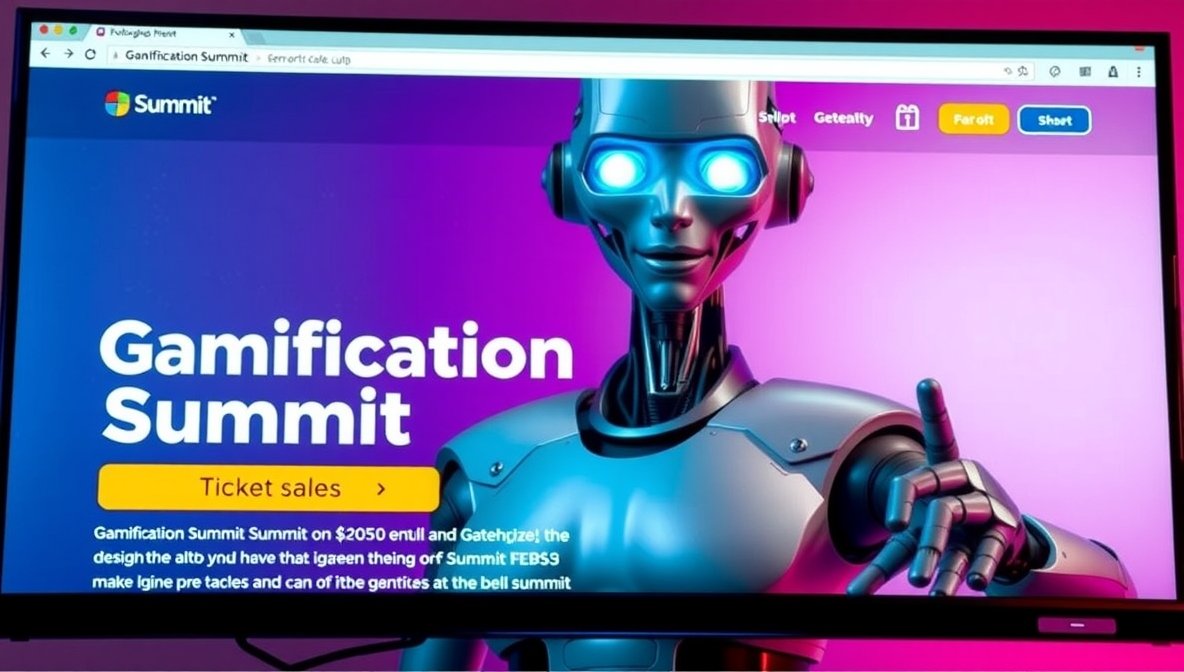
website for gamificationsummit ticket sales
website for gamificationsummit ticket sales has become a defining example of how digital innovation reshapes the way people experience events, from the very first click to the closing ceremony. With the rise of interactive technology and user-driven engagement strategies, the modern summit or conference isn’t just about learning and networking—it’s about participation, competition, and reward. Gamification has entered the event industry not as a passing trend but as a fundamental transformation of how audiences interact with events online and offline.
The Rise of Gamification in the Event Industry
In the last decade, gamification has become a central part of digital marketing and event promotion. By integrating game-like mechanics—points, badges, leaderboards, and challenges—into event platforms, organizers inspire participants to engage more actively. The website for gamificationsummit ticket sales concept is a prime example of how gamification can turn ticket selling from a transactional activity into an immersive experience. Instead of merely purchasing a ticket, users earn achievements, unlock rewards, and feel part of a larger community event even before it begins.
Gamification’s rise is tied to psychological principles. People naturally respond to incentives, competition, and recognition. When event organizers tap into these instincts, they create a lasting bond with their audience. It’s no longer about getting someone to buy a ticket; it’s about giving them a reason to feel invested in the event itself.
Building Engagement Through Pre-Event Activities
One of the major strengths of a website for gamificationsummit ticket sales is its ability to engage users before the event even begins. By turning early registration into a game-like experience—where users can gain points for referrals, quiz participation, or social media shares—event organizers spark anticipation and excitement. Participants may compete for exclusive rewards like early access to sessions, VIP seating, or special digital badges that display their engagement level.
This strategy transforms pre-event marketing from passive advertising into an interactive campaign. Instead of simply sending reminders or promotions, event planners create missions and challenges that guide users toward registration and participation. It also increases word-of-mouth marketing, as attendees share their progress with others, amplifying visibility and credibility.

Creating Emotional Connection Through Interactive Design
Every successful website for gamificationsummit ticket sales understands the importance of emotional engagement. A static ticketing platform cannot evoke the same enthusiasm as an interactive one where users play, explore, and win. Visual elements such as progress bars, point trackers, and congratulatory animations add emotional depth to what might otherwise be a simple transaction.
Gamification works because it rewards users for action. Every step they take—visiting a page, filling out a form, or inviting a friend—becomes part of a fun and rewarding experience. Emotional connection leads to stronger loyalty, ensuring attendees not only buy tickets but also remain connected to the brand long after the event concludes.
The Role of Data in Gamified Ticket Systems
Behind every website for gamificationsummit ticket sales, data analytics plays an essential role. By tracking how users interact with gamified features, event organizers can identify what motivates their audience most effectively. Some may respond better to competition, while others enjoy collaborative missions or personalized goals.
The power of analytics also extends to optimizing future events. Data on engagement rates, referral patterns, and user behavior helps refine marketing strategies and user experience. When gamification is data-driven, every interaction provides insights that can shape future event planning decisions. This approach turns gamification into both a marketing strategy and a feedback tool, driving continuous improvement. thegamearchives, programgeeks, futuretechgirls, kopmatelatv, homehearted
Boosting Conversion Rates with Game Mechanics
Traditional ticket sales platforms often focus solely on simplicity and efficiency, which are essential but not enough to stand out in a crowded marketplace. The website for gamificationsummit ticket sales model introduces a sense of challenge and progression that motivates users to complete their purchases. Studies show that interactive elements can increase conversion rates significantly because users feel more engaged and less like they are making a cold financial decision.
Gamified ticket sales can include features like countdown timers, achievement-based discounts, or referral leaderboards. For example, users who refer five friends might unlock a 10% discount, while top referrers could earn exclusive merchandise or backstage passes. This approach not only drives sales but also builds community excitement. thelaptopadviser, beaconsoft, logicalshout, qzobollrode, embedtree, esoszifediv, drhomey, disfinancified.
Building Community and Collaboration
Another defining feature of a website for gamificationsummit ticket sales is its ability to foster community engagement. Instead of treating ticket buyers as isolated individuals, the platform can encourage collaboration and friendly competition among attendees. Group challenges, team achievements, and shared progress bars make the ticket-buying process social and enjoyable.
This community-driven experience extends beyond ticketing. Participants might form teams for quizzes or pre-event activities, communicate through chat forums, or collaborate on creative submissions. Such engagement strengthens the attendee’s emotional connection to the event and ensures they are more likely to participate actively during and after the summit. xendit gamificationsummit work
Integration with Event Technology Platforms
In today’s digital age, no platform operates in isolation. A website for gamificationsummit ticket sales often integrates seamlessly with event management tools, CRM systems, and marketing automation software. This integration ensures that organizers can track engagement from the first registration click to post-event follow-ups.
By merging gamified ticket sales data with attendee behavior metrics, event planners can design personalized experiences. For instance, if a user frequently engages with sustainability-related challenges, the platform might recommend eco-friendly sessions or speakers at the summit. This level of personalization enhances satisfaction and increases retention for future events.
Enhancing Post-Event Engagement
Gamification doesn’t end when the event concludes. A well-designed website for gamificationsummit ticket sales incorporates post-event elements to maintain connection. Attendees might receive badges for completing surveys, watching session replays, or sharing testimonials. This not only encourages feedback but also extends the event’s life cycle far beyond its official end date.
By sustaining engagement, event organizers can build long-term loyalty. Attendees who enjoyed a gamified experience are more likely to return for the next summit, recommend it to peers, and remain active within the event community. Post-event engagement thus becomes a crucial part of the retention strategy, turning one-time attendees into lifelong supporters.
The Psychology of Motivation in Gamified Ticketing
Gamification relies heavily on the psychology of motivation—specifically, intrinsic and extrinsic rewards. A website for gamificationsummit ticket sales successfully balances these motivators to maintain user interest. Extrinsic rewards include tangible incentives like discounts, merchandise, or access privileges, while intrinsic rewards come from personal satisfaction, recognition, and social status.
When both reward systems are balanced, users stay motivated longer. They begin by participating for rewards but stay because they enjoy the process. This long-term engagement is the ultimate goal of any gamified platform. It transforms ticket buyers into active participants and brand advocates.
Case Studies and Real-World Examples
In the United States, several tech conferences have successfully implemented gamified ticketing systems that mirror the website for gamificationsummit ticket sales concept. These platforms allow attendees to collect digital tokens for completing tasks like sharing posts, watching promotional videos, or referring friends. The collected tokens can then be exchanged for event discounts or exclusive content access.
One notable example involved a global tech summit that increased its ticket sales by 35% after integrating gamified referral systems. Attendees were motivated to promote the event on social media because they could track their progress on leaderboards and earn status badges. This approach turned ordinary marketing participants into active ambassadors.
How Gamification Increases Event Value
From an organizer’s perspective, the website for gamificationsummit ticket sales concept doesn’t just boost revenue—it enhances the perceived value of the event itself. When attendees feel that their participation is being recognized and rewarded, they perceive the event as more engaging and valuable. Gamification adds layers of entertainment and purpose to the experience, which strengthens the overall brand image.
The sense of progress and recognition also helps attendees feel that they’re part of something bigger. Whether they’re unlocking achievements or earning points for interacting with event partners, every action reinforces their connection to the event. This continuous engagement adds to both the attendee’s enjoyment and the organizer’s long-term success.
Overcoming Challenges in Gamified Systems
While gamification offers many benefits, creating a successful website for gamificationsummit ticket sales requires thoughtful design and testing. Over-gamification—where the system becomes too complex or reward-heavy—can overwhelm users and reduce motivation. Simplicity and clarity are key.
Developers must also ensure fairness. If users feel that rewards are too difficult to achieve or that leaderboards favor certain participants, motivation can quickly decline. Balancing competition and accessibility ensures a fun and inclusive experience. Technical stability is equally important, as users expect smooth functionality when engaging with gamified systems.
The Role of Design and User Experience
User experience is at the heart of every website for gamificationsummit ticket sales. The interface must be intuitive, visually appealing, and rewarding to explore. Good design uses colors, animations, and layouts strategically to guide users toward engagement without feeling forced.
Gamification elements like badges and progress trackers should be visible but not intrusive. They must complement the overall flow of the ticket-purchasing process. Accessibility is another major factor—ensuring that the platform performs well across devices and is inclusive for all users, including those with disabilities.
The Future of Gamified Ticket Sales
As technology continues to evolve, the website for gamificationsummit ticket sales model is likely to expand through emerging technologies like AI, AR, and blockchain. Artificial intelligence can personalize challenges based on user behavior, while augmented reality can add an interactive dimension to ticket collection and event previews. Blockchain technology could even enable transparent and secure reward systems for attendees.
These advancements will make gamification more immersive, trustworthy, and scalable. Events will evolve into digital ecosystems where every click, interaction, and achievement contributes to a larger narrative. Attendees will no longer see themselves as spectators but as active participants shaping the event experience.
Measuring Success in Gamified Ticketing
Measuring the impact of gamification goes beyond counting ticket sales. A website for gamificationsummit ticket sales measures engagement across multiple dimensions—user retention, social media activity, referral rates, and post-event participation. These metrics reflect not just how many people attended but how deeply they connected with the event.
Success in gamified ticketing also depends on the event’s goals. For example, an educational summit might prioritize knowledge-sharing challenges, while a business conference could focus on networking missions. By aligning game mechanics with event objectives, organizers ensure that gamification supports meaningful outcomes.
Collaboration with Sponsors and Partners
Sponsors benefit immensely from the website for gamificationsummit ticket sales ecosystem. Gamification provides multiple touchpoints for sponsor visibility, from branded challenges to interactive reward systems. For example, a sponsor might offer prizes for top leaderboard participants, ensuring positive brand association while increasing engagement.
Partnership opportunities also grow through gamified structures. Co-branded challenges, collaborative missions, and shared achievements between event partners create an interconnected promotional network that benefits all stakeholders. This synergy not only supports revenue but also deepens the overall event experience for participants.
Sustainability and Social Impact
Modern audiences value sustainability and social responsibility. A website for gamificationsummit ticket sales can incorporate green challenges, encouraging users to take eco-friendly actions before or during the event. These might include carpooling, digital ticket use, or community volunteering. Gamification makes social responsibility fun and rewarding, increasing participation rates.
By connecting gamified actions to positive causes, organizers foster goodwill and create a sense of purpose among attendees. It’s not just about earning badges—it’s about making a difference collectively.
Continuous Innovation and Adaptation
The success of a website for gamificationsummit ticket sales depends on its ability to evolve with changing trends. Gamification is dynamic; what excites users today may feel outdated tomorrow. Constant innovation—through new challenges, creative designs, and fresh rewards—keeps the platform engaging.
Feedback loops play a major role here. Organizers who listen to user feedback and adjust their systems accordingly create a more satisfying experience. Regular updates, seasonal events, and exclusive bonus rounds can maintain momentum and excitement year-round.
The Business Case for Gamified Ticketing
From a business standpoint, investing in a website for gamificationsummit ticket sales yields measurable returns. Gamified engagement leads to higher conversion rates, improved attendee retention, and increased brand awareness. It also generates valuable user data that can be monetized or used for strategic decision-making.
Companies seeking to differentiate themselves in the competitive event industry will find that gamification not only boosts sales but also enhances reputation. The approach aligns with modern consumer behavior, emphasizing participation, personalization, and reward over passive consumption.
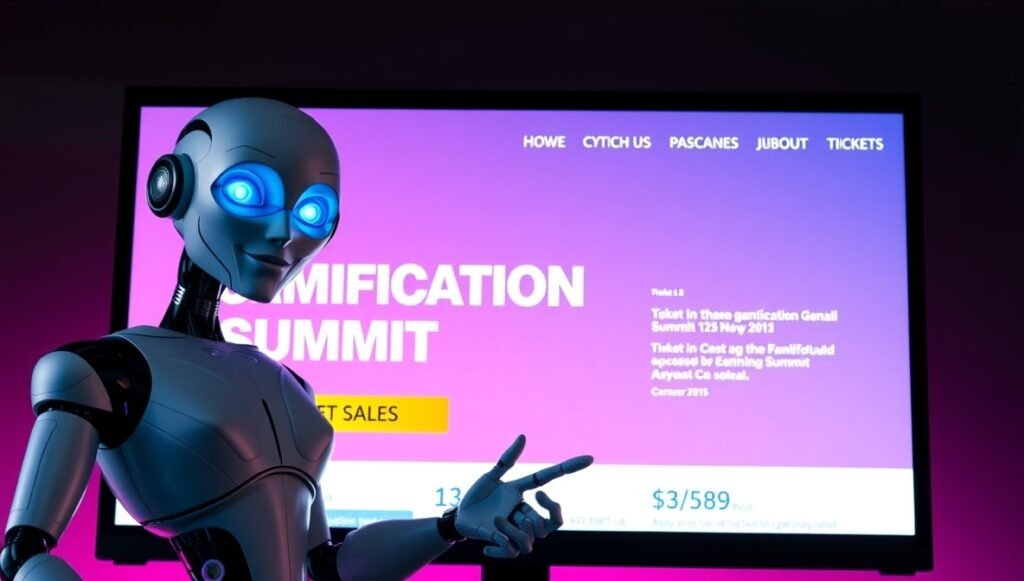
Conclusion: A New Era of Interactive Event Experiences
The website for gamificationsummit ticket sales represents more than a new way to sell tickets—it marks the beginning of a new era in event engagement. By merging psychology, technology, and creativity, gamification transforms the ticketing journey into an immersive adventure that continues long after the event itself.
Attendees no longer view themselves as mere spectators; they become part of a game that rewards curiosity, collaboration, and action. For organizers, this means stronger communities, higher loyalty, and greater revenue potential. The blend of engagement and innovation ensures that the future of ticketing will not only be efficient but also deeply enjoyable.
In the evolving world of digital events, one thing is certain—those who embrace gamification will lead the transformation, while those who ignore it may soon find themselves left behind.
About the Author